Masuk tirto.id
tirto.id - For 15-year-old Kharisa, climate change is no longer merely a subject she learns about in the classroom. The impacts of climate change have become part of everyday life for the teenager, who lives in Cilincing, North Jakarta. She has experienced tidal flooding that can arrive suddenly, as well as increasingly intense daytime heat.
Kharisa recalled that children in her age used to spend much of their time outdoors, even in the middle of the day. Climbing trees, riding bicycles, or simply sitting by the sea were once common ways for children in Cilincing to spend their time.
Today, however, the way children in her neighborhood spend their time has changed. Kharisa has noticed that many now choose to play online games at home rather than go outside with their friends.
“Kids nowadays are reluctant to go outside. They don’t really go out anymore. They just play online games and things like that,” Kharisa told Tirto on Saturday, July 25, 2026.

For Kharisa, extreme heat also makes it harder to learn at school. The classrooms can become uncomfortably hot, while the intense sunlight makes her journey home even more difficult.
The middle school student usually leaves school while the sun is still blazing. Even after a tiring day at school, she still has to wait for public transportation under the scorching sun.
“So that also affects the quality of life. It’s really not that good,” she said.
Hafiz, 11, has also experienced the effects of extreme heat firsthand. The boy, who lives near Kharisa, said the heat had made him feel dizzy and nauseous.
Hafiz’s parents have since told him not to play outside during the day. They have told him to stay indoors to avoid heat-related health problems.
“I stay at home and listen to what my parents say. They tell me not to play outside because it’s hot. So I just stay home and play with my younger sibling,” Hafiz told Tirto.

When Tirto met Kharisa and Hafiz on Saturday, July 25, 2026, temperatures in Cilincing were above 32 degrees Celsius. Data from Meteostat’s monitoring station at Tanjung Priok in North Jakarta showed that the day’s highest temperature reached 32.1 degrees Celsius.
Meanwhile, when this article was written on Wednesday, August 5, 2026, AccuWeather recorded a temperature of 32 degrees Celsius in Cilincing, with the apparent temperature projected to reach 37 degrees Celsius.
It was not only the heat that was concerning. Air quality in Cilincing on August 5, 2026, was also classified as unhealthy. AccuWeather reported a PM2.5 air-quality index reading of 123, equivalent to a concentration of around 44 micrograms per cubic meter (µg/m³).
Data from an Air Quality Monitoring Station (SPKU) operated by the Jakarta Environmental Agency (DLH) at SD Negeri 5 Marunda in Cilincing, North Jakarta, also showed unhealthy air quality. The PM2.5 reading was 144, corresponding to a concentration of 40.66 µg/m³.
PM2.5 refers to extremely fine pollutant particles measuring less than 2.5 micrometers in diameter. They can be inhaled deep into the lungs and even enter the bloodstream. Exposure to these particles can increase the risk of health problems, particularly those affecting the lungs and heart.
Why Is North Jakarta Experiencing Extreme Heat?
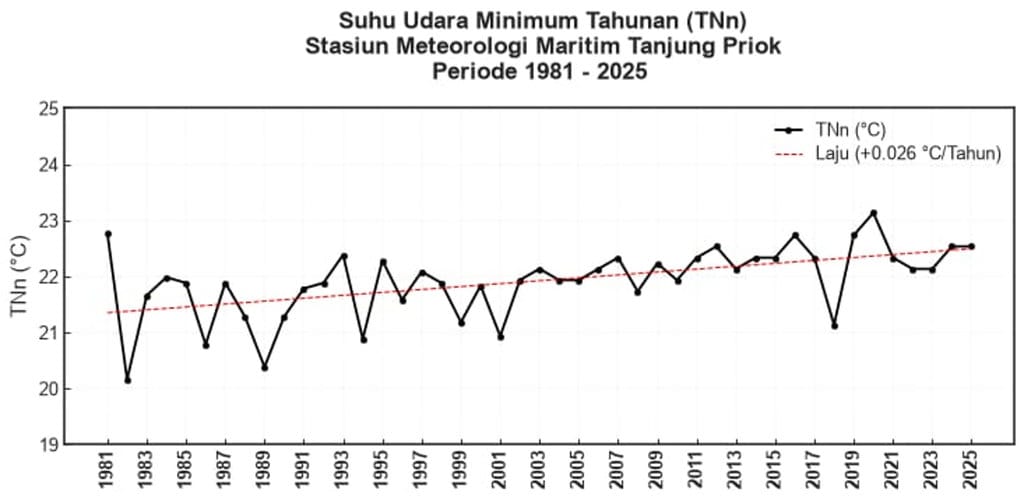
Data from the Meteorology, Climatology, and Geophysics Agency (BMKG) show that the annual minimum temperature (TNn) recorded at the Tanjung Priok Maritime Meteorological Station between 1981 and 2025 has been on an upward trend.
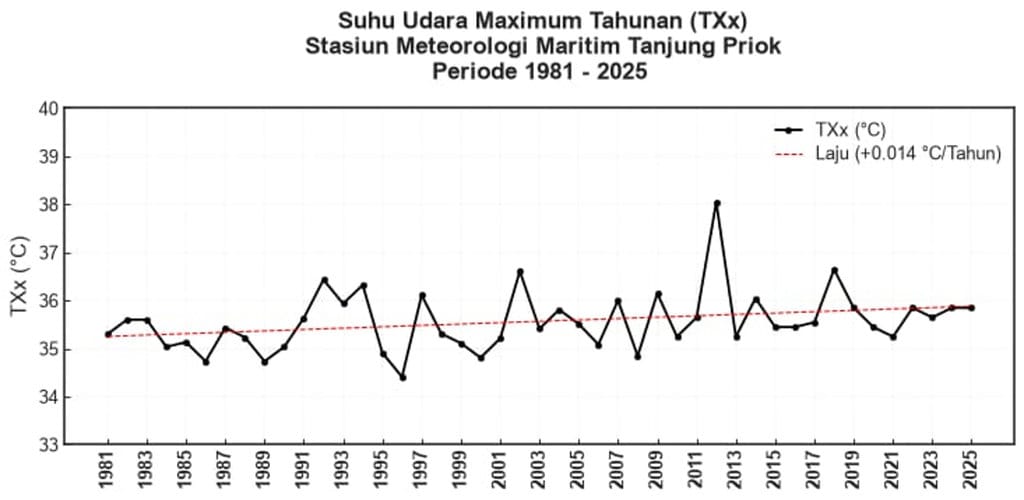
Minimum temperatures have risen by 0.026 degrees Celsius per year, compared with 0.014 degrees Celsius per year for maximum temperatures. This means minimum temperatures have risen at nearly twice the rate of maximum temperatures.
BMKG Deputy for Climatology Ardhasena Sopaheluwakan explained that the more pronounced increase in minimum temperatures indicates a significant nighttime warming effect. The phenomenon is generally amplified by urbanization, particularly the Urban Heat Island (UHI) effect, as well as global climate change in the coastal areas of North Jakarta.
Ardhasena also explained that Indonesia’s generally high humidity means it has a “hot-humid” climate, which can make temperatures feel hotter to the human body.
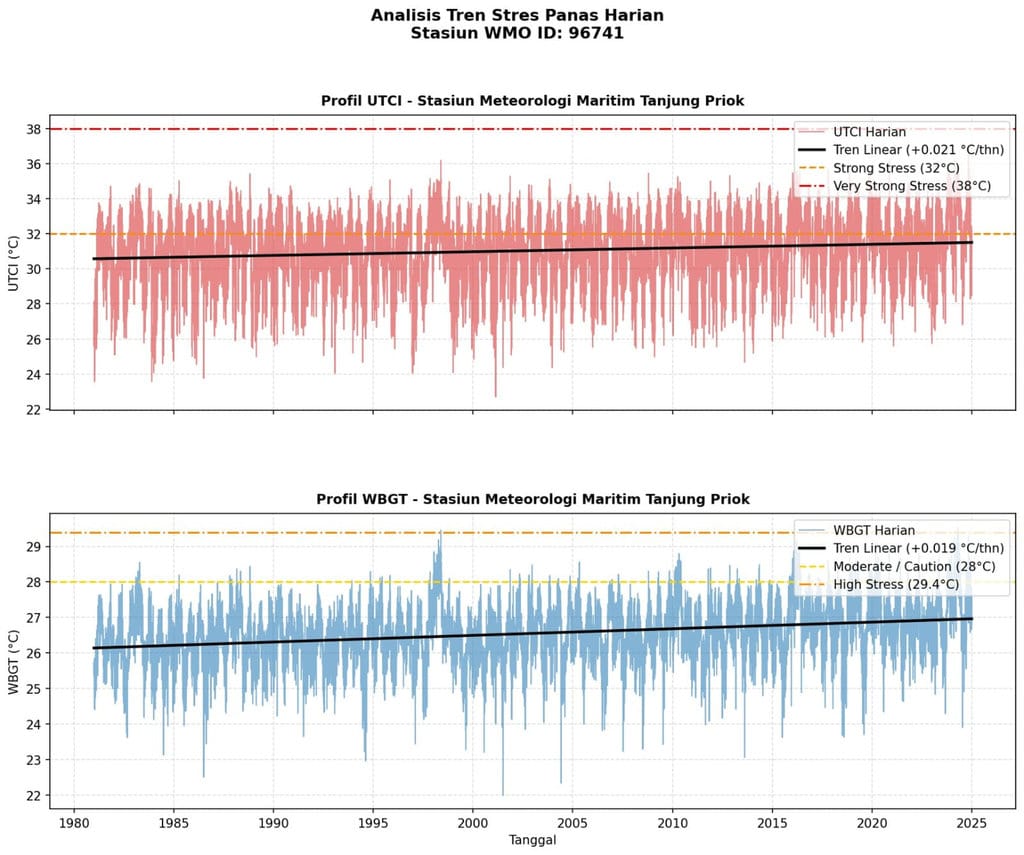
A 44-year analysis of data from the Tanjung Priok Maritime Meteorological Station, covering 1981 to 2024, also shows a long-term increase in heat stress in coastal North Jakarta.
The Universal Thermal Climate Index (UTCI) and Wet-Bulb Globe Temperature (WBGT) increased at annual rates of 0.0211°C and 0.0187°C, respectively. Over the 44-year period, that amounted to increases of approximately 0.93°C in UTCI and 0.82°C in WBGT.
According to Ardhasena, several factors cause North Jakarta to experience higher temperatures and more extreme heat than other parts of Jakarta. These factors include geographical and meteorological conditions, land use, and human activity.
“Geographically and meteorologically, North Jakarta is a coastal area with higher humidity due to its proximity to the sea. Its lower elevation compared with other parts of Jakarta also allows heat and pollution to accumulate,” Ardhasena told Tirto on Wednesday.
He also highlighted the continued expansion of built-up areas, or impervious surfaces, while green open spaces (Ruang Terbuka Hijau/RTH) and vegetation remain limited. Industrial activity, port operations, and heavy traffic also contribute to rising temperatures in North Jakarta.
He said the most critical period for extreme heat in North Jakarta is between 11 a.m. and 3 p.m., with peak heat exposure generally occurring between 1 p.m. and 2 p.m. Temperatures typically peak during this period.
Ardhasena added that the risk of heat stress is highest during certain months when the sun is directly overhead in parts of Indonesia.
“Main peak (September-October): The sun moves south of the equator and is directly overhead over the island of Java. This period also coincides with the peak of the dry season transitioning into the transitional season. Second peak (April-May): This occurs during the transition from the rainy season to the dry season, when the sun crosses the equator toward the Northern Hemisphere,” he explained.

Urban Heat Island: The Phenomenon Making Cities Hotter
The Urban Heat Island (UHI) phenomenon occurs when urban areas are significantly warmer than surrounding rural or natural areas. According to Ardhasena, the UHI effect makes a much more significant direct contribution to increases in daily surface temperatures than the average increase associated with global warming.
BMKG analysis shows that the UHI phenomenon occurs consistently throughout the year in Jakarta. Its intensity can reach approximately 2°C, particularly in built-up parts of the city dominated by asphalt and concrete surfaces and limited vegetation.
According to Ardhasena, the UHI effect is stronger during the day than at night, indicating that impermeable urban surfaces absorb large amounts of solar radiation. However, the UHI effect tends to persist into the nighttime.
“The UHI phenomenon persists at night, indicating heat storage in buildings and road surfaces, which is then slowly released, keeping nighttime temperatures higher,” he said.

Meanwhile, Benaya Valentino Ginting, a researcher at the Rujak Center for Urban Studies (RCUS), said the effects of UHI can be more pronounced in coastal areas such as North Jakarta. High humidity in coastal areas can make it harder for the body to cool itself through the evaporation of sweat.
Benaya also highlighted the impact of large-scale development and industrial activity on the UHI phenomenon. He said the construction of gray infrastructure—urban infrastructure made of concrete, steel, and other hard materials—also contributes to localized increases in temperature.
He cited findings from RCUS at one of Jakarta’s public housing complexes, where greenery had been added but residents continued to experience high temperatures. Further examination found that the heat was caused by the construction of a flyover directly across from the housing complex.
“So even though the area is greener, when there is an impact from human development or urban development in front of it, it turns out that the impact of urban development can outweigh the cooling effect of the green area,” Benaya told Tirto on Wednesday.

The Health Impacts of Extreme Heat on Children
When it comes to extreme heat, vulnerable groups such as infants, children, pregnant women, and older people are among those most severely affected. Specifically, UNICEF estimated that as of 2022, around 559 million children worldwide had been exposed to high heatwave risk.
UNICEF explains that children are particularly vulnerable to extreme heat because they produce more heat per kilogram of body weight than adults.
Younger children also have a higher surface-area-to-body-mass ratio. This can make them more vulnerable to gaining heat from their surroundings, depending on environmental conditions and physical activity.
UNICEF projects that by 2050, nearly every child on Earth—more than 2 billion children—is expected to face more frequent heatwaves. This projection holds regardless of whether the world achieves a low greenhouse gas emissions scenario, with warming of 1.7 degrees Celsius by 2050, or a very high greenhouse gas emissions scenario, with warming of 2.4 degrees Celsius.
Extreme heat is not the only threat. Millions of children around the world must also contend with multiple overlapping, complex, and dangerous climate-related crises. The accumulation of these threats can overwhelm social services that are not adequately prepared and weaken the resilience of families and communities.
A 2026 UNICEF report shows that climate-related hazards threaten the vast majority of children worldwide. Nearly every child in the world is now exposed to at least one climate-related hazard, including river flooding, coastal flooding, drought, tropical storms, heatwaves, extreme heat, wildfires, and sand and dust storms.
Health risks also threaten children exposed to multiple climate-related hazards, particularly extreme heat. Research by Schapiro et al. (2024) found a significant association between extreme heat and adverse birth outcomes, including preterm birth, stillbirth, and low birth weight.
The study also found that during periods of extreme heat, children were more likely to visit emergency departments and were particularly vulnerable to heat-related health problems, including asthma exacerbations, increased incidence of certain infectious diseases, and reduced concentration while learning.
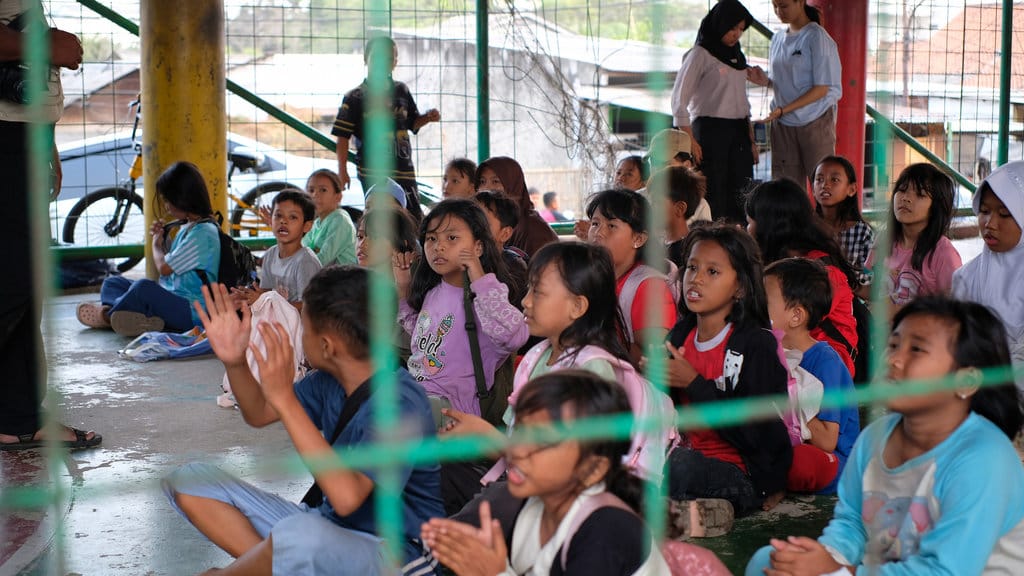
Children from racial minority groups and those living in poverty were also found to experience worse health outcomes during heatwaves and extreme heat events.
Iqbal Mochtar, a physician and chair of the Diaspora Doctors Division of the Indonesian Medical Association (PB IDI), explained that in hot and humid coastal environments, children exposed to extreme heat typically experience symptoms of heat exhaustion, including weakness, dizziness, excessive sweating, pale and cool skin, nausea, and muscle cramps.
He said that if heat exposure continues without treatment, the condition can progress to heatstroke, characterized by a body temperature above 40°C, red and hot skin, confusion, seizures, and loss of consciousness. The condition requires emergency medical treatment.
“Continuous exposure to high temperatures disrupts children’s physical growth through chronic dehydration, reduced appetite that risks worsening nutritional deficiencies, and increased vulnerability to skin and respiratory diseases,” Iqbal told Tirto on Wednesday.

From a cognitive perspective, chronic heat stress in children can reduce working memory capacity, impair executive function, and shorten attention spans, ultimately hindering learning and development.
Physiologically, children exposed to extreme heat are also more vulnerable because their thermoregulatory systems have not yet fully matured. Children have lower sweating rates, which can make evaporative cooling less effective. They may also be less able to recognize thirst and seek protection from the heat on their own.
Extreme heat that persists into the night can also disrupt children’s slow-wave, or deep, sleep. This stage of sleep is essential for children’s physical recovery.
“Sleep disruption suppresses the body’s immune response by reducing cytokine production, making children more susceptible to illness. At the same time, poor sleep quality directly impairs the process of memory consolidation in the brain, making children sleepy and irritable and reducing their ability to absorb lessons at school,” he explained.
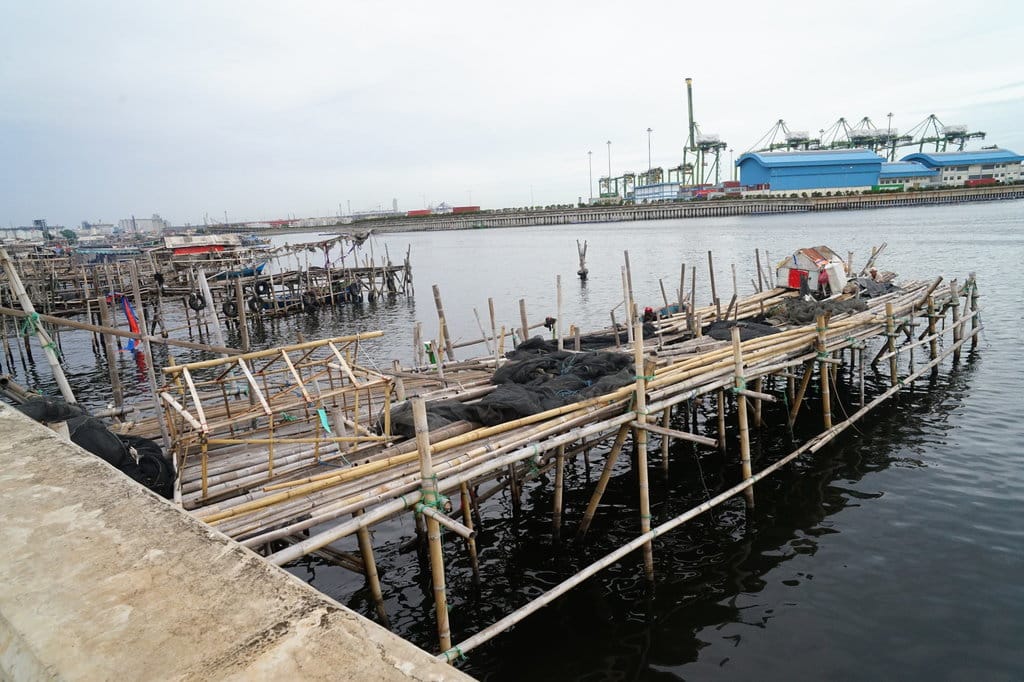
Extreme Heat Also Affects Children’s Psychological Well-Being
Extreme heat does not only threaten children’s physical health; it can also affect their psychological well-being. Research by Wright et al. (2025) found that exposure to high temperatures among infants and children has been associated with several psychological and mental-health effects, including anxiety,
In some cases, high temperatures have disrupted sleep patterns and placed children at risk of self-harm, while suicide rates have also been reported to rise following periods of moderate and extreme heat.
Child psychologist Retno Lelyani said children’s emotional development can be significantly affected by restrictions on their play spaces caused by extreme heat. During periods of extreme heat, children experience stress and may stop playing outdoors.
She said high temperatures also increase children’s thermal load, which can affect the nervous system and stress hormones such as cortisol, making children more irritable, frustrated, and difficult to calm.
“If children are exposed to high temperatures during the early years of life, the effects can extend to other areas of development, including the social, cognitive, and physical domains. Meanwhile, limited play spaces can restrict children’s opportunities to explore freely and interact with their peers. Other impacts include difficulties with emotional regulation and empathy, as well as increased frustration and lower initiative,” Retno told Tirto on Tuesday, August 3, 2026.

As a result of the stress they experience, Retno said children may express these feelings through changes in behavior and emotions. For example, children may become more irritable, quick to anger, or prone to emotional outbursts because they feel overwhelmed by the physical sensations caused by the heat.
She therefore encouraged parents, caregivers, and teachers to provide warmth and appropriate emotional support to children affected by extreme heat.
Parents should also provide a “safe zone” both physically and emotionally, so that when children feel stressed by extreme heat, they have a safe space where they can express their feelings.
“Teach emotional regulation and coping skills. Simple relaxation techniques such as deep breathing, progressive muscle relaxation, or guided imagery can be taught in the form of games,” she concluded.
Efforts to Protect Children From Extreme Heat
In its report titled Protecting Children from Heat Stress: A Technical Note (2023), UNICEF introduced the “B.E.A.T. the Heat” communication framework to help caregivers, communities, and frontline workers prevent and respond to heat stress among children.
The framework calls for people to BE AWARE of heat stress, EASILY IDENTIFY its symptoms, ACT IMMEDIATELY to protect affected children, and TAKE children with serious symptoms to a health facility.
However, protecting children from extreme heat does not stop with families’ ability to recognize the symptoms.
The report also emphasizes that local governments play an important role in addressing the risks of extreme heat exposure among children. Local governments can promote adaptation measures, including building the capacity of frontline workers, implementing risk-communication campaigns, and providing access to water and spaces where people can seek shelter during periods of extreme heat.
For long-term adaptation, local governments are also encouraged to invest in more green spaces and tree cover in public areas, increase access to water for communities, and prepare public facilities that can be used during periods of extreme heat.
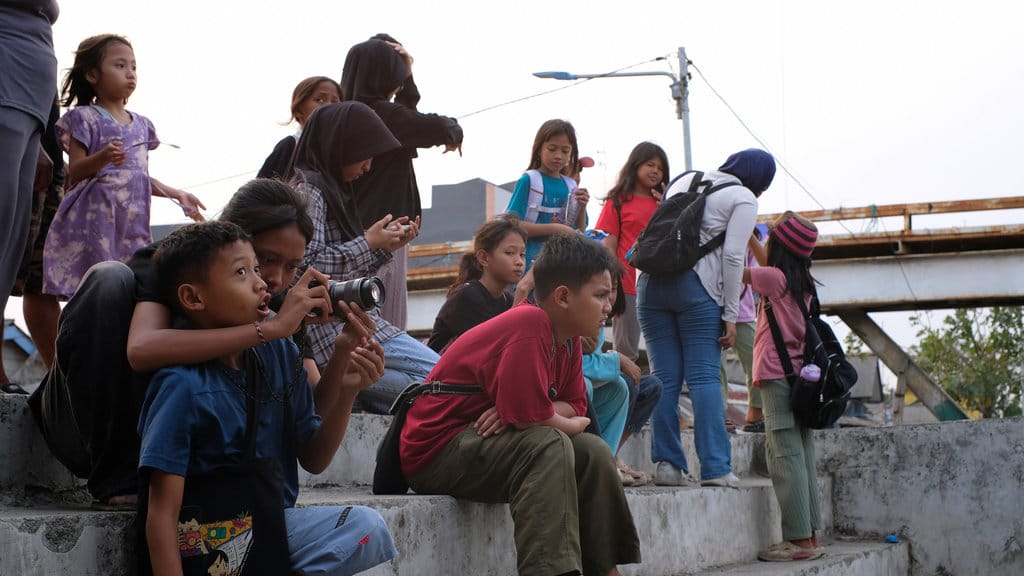
Similarly, Muhammad Aminullah, executive director of the Jakarta regional chapter of the Indonesian Forum for the Environment (WALHI Jakarta), urged the Jakarta provincial government to expand green open spaces (RTH) across the city, particularly in North Jakarta.
For Aminullah, expanding RTH could demonstrate the Jakarta provincial government’s commitment to providing cool spaces where children can play. He said the distribution of RTH across Jakarta remains uneven.
“Green open spaces are not distributed evenly. They are still concentrated in central areas. For example, people in North Jakarta and East Jakarta have to travel to places like Menteng or Tebet Ecopark if they want to access good public green spaces. We experience the heat, and then we want to access public spaces, but they are far away,” Aminullah told Tirto on Wednesday.

According to Aminullah, the presence of RTH in coastal areas such as North Jakarta can help absorb the extreme heat experienced there.
He also criticized the imbalance between the limited amount of RTH and the massive scale of development and industrial activity in North Jakarta. With much of the area already covered in concrete, heat becomes increasingly trapped.
According to data on public RTH managed by the Jakarta Parks and Urban Forestry Agency in 2024, Jakarta had 2,545 RTH sites. Among the five administrative cities, however, North Jakarta had the fewest RTH sites.
North Jakarta had only 353 RTH sites, significantly fewer than South Jakarta’s 866, West Jakarta’s 493, East Jakarta’s 461, and Central Jakarta’s 372.
This report was produced as part of the Media Fellowship under the Cities on Fire initiative in Bangkok, Colombo, Jakarta, and Manila and 'Cooler Cities. Healthier Children. Brighter Futures.' Initiative in India.
Editor: Alfitra Akbar